
How Rectangular Steel Tubing Enhances Structural Integrity
Key Takeaways
- Superior Strength-to-Weight Ratio: Rectangular steel tubing provides exceptional structural strength while minimizing overall weight, creating more efficient and economical designs.
- Multi-Axis Load Distribution: The rectangular profile efficiently handles compressive, tensile, and torsional forces, making it ideal for complex structural applications.
- Design Versatility: Available in various dimensions, wall thicknesses, and steel grades to optimize performance for specific loading conditions and environmental requirements.
- Connection Simplicity: Flat surfaces facilitate straightforward welding, bolting, and fastening, reducing fabrication time and complexity compared to round profiles.
- Aesthetic Functionality: Clean lines and modern appearance make rectangular tubing suitable for both structural applications and visible architectural elements.
Selecting the appropriate materials for manufacturing and building projects is crucial to obtaining cost-effectiveness, structural integrity, and visual appeal. Rectangular steel tubing is a flexible alternative that has become increasingly popular recently. This article will examine the advantages of using rectangular steel tubes, including their cost-effectiveness, adaptability, and superior structural qualities.
Understanding Rectangular Steel Tubing
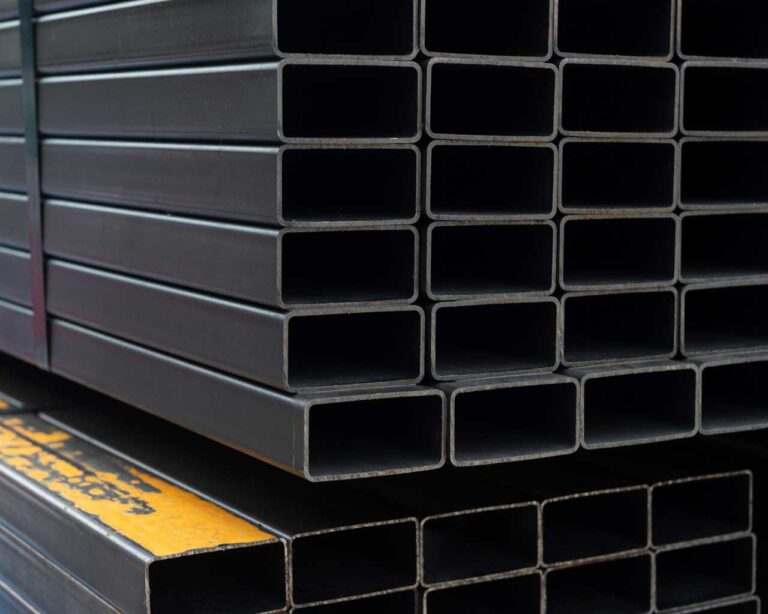
Rectangular steel tubing is a flexible metal shape utilized in various industries. Methods like extrusion or cold forming usually create it, providing a balance of stability and strength at a comparatively low weight. Available in multiple diameters and thicknesses, it is perfect for welding and structural components.
While both round and square tubes have advantages, rectangular steel tubing frequently compromises mechanical strength and mobility. Although round tubes have excellent structural integrity, their circular form may limit some applications. On the other hand, square tubing might be uniform but may lack the same amount of bending resistance.
Key Benefits of Rectangular Steel Tubing
The flexibility and toughness of rectangular steel tubes make them indispensable in many sectors. Here are some essential benefits of the rectangular steel tubes:
The Strength and Durability of Rectangular Steel Tubing
Rectangular tubes are renowned for their remarkable strength and ability to support heavy loads. Because of the effective weight distribution provided by their rectangular form, they are perfect for bearing large loads and withstanding structural stress.
Versatility in Design
Rectangular tubes provide engineers and architects the creative freedom to develop complex, aesthetically pleasing structures. They are perfect for producing geometric forms, angles, and frames that improve a project’s aesthetics because of their straight sides and sharp edges.
Cost-Effectiveness
The rectangular form of steel tubes increases material efficiency by providing strength and stability using less material. Rectangular steel tubes are a financially sensible choice for manufacturing and building projects because of their optimal resource utilization, which lowers waste and material costs. Furthermore, rectangular tubes are comparatively lightweight, making installation and transit easier.
Applications in Construction
Rectangular steel tubes are a popular building component on construction sites. Some of their applications include:
Support Beams and Columns
Sturdy support systems are necessary at construction sites because steel beams and concrete slabs frequently need support. Rectangular steel tubes have directional strength, which can withstand heavier stresses in a single direction. It can be helpful when the weight comes from one direction, such as in bridges or support beams.
Load-Bearing Walls and Floors
Rectangular steel tubes have a square cross-section. Their rectangular planar design allows them to tolerate larger external loads and provides superior torsional and bending stiffness compared to circular tubes. In addition, rectangular tube materials are more stable buildings because of their higher yield strength, superior compression resistance, and capacity to tolerate higher pressure and impact forces.
Architectural Features
Rectangular steel tubes are necessary for building external walls and roof structures, which may provide a straightforward, layered, and smooth architectural aspect. Additionally, they are essential in the structural support structures of prominent buildings like rail stations and subways. Rectangular steel tubes can offer reliable structural support to ensure building safety by bearing heavy external loads and pressures. They are also used extensively in the guardrails of bridges and as structural support for billboards.
Advantages of Rectangular Steel Tubing in Manufacturing
Rectangle steel pipes are growing more popular among manufacturers due to their numerous advantages. Here’s how they benefit the manufacturing sector:
Fabrication Efficiency
Producing and tailoring rectangular tubes to fit unique project needs is easy. You can seamlessly integrate them into intricate structures by drilling, bending, welding, and molding them into various forms.
Product durability
Robust and long-lasting materials are necessary for industrial machinery and equipment to ensure optimal functionality and durability. Rectangular steel pipes are excellent in manufacturing because of their reputation for robustness and longevity. These pipes are perfect for severe industrial situations since they endure powerful impact pressures and carry heavy weights.
Case Studies: Successful Projects Using Rectangular Steel Tubing
Rectangular steel tubes are essential components of many industrial and construction projects. Here are successful projects that showcase their creative and practical application.
· Barqueta Bridge in Seville, Spain.
The Barqueta Bridge in Seville uses rectangular steel tubes, which serve as the primary beams and supports. Because of the steel tubes’ strength and resilience, the bridge can bear the weight of passing cyclists and pedestrians and the effects of the wind and bad weather.
· Montjuïc Olympic Stadium in Barcelona, Spain
The Montjuïc Olympic Stadium is a prominent example of an iconic edifice made of rectangular steel tubes. Architects designed the roof structure, which stretches over the stands and offers protection for spectators, using rectangular steel tubes.
· Europe’s Nord Stream Pipeline
The Nord Stream pipeline is the natural gas transportation infrastructure connecting Russia and Germany across the Baltic Sea. This 1,200-kilometer underwater pipeline uses specially made rectangular steel tubes to endure harsh environments, such as corrosion and high pressure.
Choosing the Right Supplier for Rectangular Steel Tubing
If you want rectangular steel tubing, you need the right supplier. Consider their quality assurance, customization options, and reliable delivery services. At Bushwick Metals / Instel Steel East, we are well-positioned to meet these needs thanks to our extensive inventory and customer-focused service.
Rectangular Steel Tubing at Bushwick Metals / Instel Steel East
Rectangular tubes are an excellent option for various industrial and construction tasks because of their many advantages. They blend affordability, eco-friendliness, usefulness, and adaptability because of their remarkable strength, load-bearing capability, and design flexibility. Contact Bushwick Metals / Instel Steel East for more information